How Hydro Jet Cleaning Services Eliminate Stubborn Clogs Effectively
Clogged drains are a common headache for many homeowners, often leading to frustrating backups and potential water damage. While traditional methods like snaking or chemical solutions provide temporary relief, they frequently fall short when dealing with stubborn clogs. This is where Hydro Jet Cleaning Services come into play, offering a powerful solution to clear even the most persistent blockages. This article explores how hydro jet cleaning works, its advantages over conventional techniques, applications in various environments, and tips for maintaining drainage systems post-cleaning. By understanding these aspects, homeowners can make informed decisions about their plumbing maintenance and ensure efficient water flow in their homes.
How Hydro Jet Cleaning Works to Remove Clogs
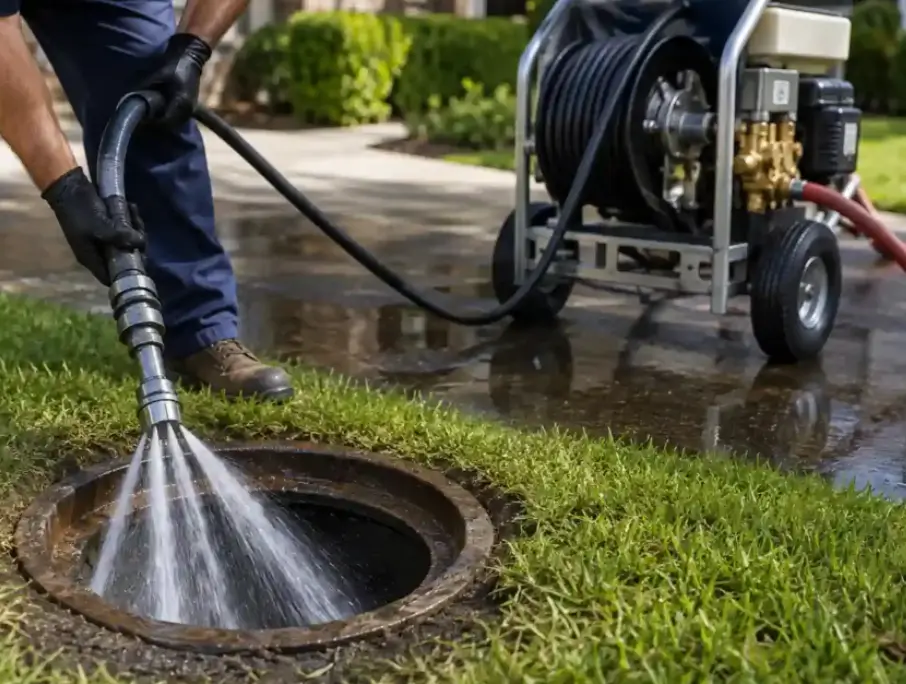
Hydro jet cleaning utilizes high-pressure water jets to effectively dislodge and remove debris, grease, and other blockages from pipes. The process involves inserting a specialized nozzle into the plumbing system, which releases water at pressures up to 4,000 PSI. This high-pressure stream is powerful enough to cut through tree roots and other tough obstructions, making it an ideal choice for eliminating stubborn clogs. Unlike conventional methods, hydro jet cleaning thoroughly cleans the entire pipe, which can significantly improve the overall Indoor Air Quality Measurement in a home by preventing sewer gas from escaping through partially blocked drains.
Recent advances in technology have made hydro jet cleaning even more efficient. For instance, some systems are now equipped with cameras that allow technicians to perform a Childproofing Assessment, identifying potential trouble spots in the plumbing system before they cause issues. This proactive approach helps in maintaining a healthy home environment by ensuring that plumbing systems are free from hazards that could affect family wellbeing.
If you’re considering Hydro Jet Cleaning Services, it’s important to work with certified professionals who understand the intricacies of plumbing systems. A Universal Design Consultant can ensure that the cleaning process is compatible with the unique features of your home, preventing damage and ensuring optimal performance.
Advantages of Hydro Jetting Over Traditional Methods
Hydro jetting offers several advantages over traditional methods such as snaking or chemical drain cleaners. Firstly, it is highly effective at removing all types of blockages, including grease, hair, soap scum, and mineral deposits. This comprehensive cleaning can prevent future clogs and reduce the need for frequent maintenance, which aligns with Sustainable Landscaping Practices by minimizing the environmental impact of repeated chemical use.
Moreover, hydro jetting is a non-invasive method that reduces the risk of damage to plumbing systems. Unlike snaking, which can sometimes scratch or puncture pipes, hydro jetting preserves the integrity of the plumbing, contributing to the long-term efficiency of the home’s water systems. Additionally, it complements smart home technologies like Home Automation Integration, allowing homeowners to monitor and control water flow more effectively.
A recent study highlighted the cost-effectiveness of hydro jetting, showing that homeowners save up to 30% on plumbing maintenance over a five-year period (Source: HomeAdvisor, 2023). By investing in this method, families can avoid costly repairs and enhance their home’s Energy Star Rating by ensuring optimal water usage.
Applications of Hydro Jet Cleaning in Different Environments
Hydro jet cleaning is versatile, making it suitable for various environments beyond residential homes. In commercial settings, it’s used to maintain large-scale plumbing systems, ensuring they meet Eco-Labeling Compliance standards while minimizing downtime due to blockages. This is particularly important in industries where consistent water flow is critical, such as restaurants and healthcare facilities.
In educational institutions, hydro jet cleaning helps maintain sanitary conditions by preventing plumbing issues that can disrupt the Montessori Curriculum Designer’s space, ensuring that learning environments remain clean and functional. The process is equally beneficial in older homes, where outdated plumbing systems may struggle with modern demands, offering a comprehensive solution that aligns with Home Staging Certification requirements.
For outdoor applications, such as maintaining drainage systems affected by Sustainable Landscaping Practices, hydro jet cleaning can remove sediment and organic matter that accumulates during heavy rains. This ensures that external areas remain free from waterlogging, protecting landscaping investments and contributing to a home’s overall curb appeal.
Maintaining Drainage Systems After Hydro Jet Cleaning
After hydro jet cleaning, maintaining your drainage system is crucial for long-term efficiency. Regularly conducting a Home Energy Audit Protocol can help identify areas where water efficiency can be improved, ensuring that your plumbing system operates at peak performance. Homeowners should also consider implementing an Indoor Gardening System to utilize water resources efficiently, contributing to a more sustainable living environment.
Regular inspections by a Lead-Safe Certified Renovator can prevent minor issues from becoming major problems, safeguarding your home against potential water damage. Additionally, maintaining eco-friendly practices, such as proper Hazardous Household Waste Disposal, can enhance the longevity of your plumbing system by preventing harmful substances from entering your drains.
For more information on how Hydro Jet Cleaning Services can benefit your home and ensure seamless water flow, visit Hydro Jet Cleaning Services for comprehensive solutions tailored to your needs.
Conclusion
Hydro jet cleaning is a powerful and effective method for eliminating stubborn clogs and maintaining efficient plumbing systems in homes. By choosing this service, families can ensure optimal water flow and reduce the risk of costly repairs. This approach not only supports a healthier home environment but also aligns with sustainable practices, promoting long-term benefits for both the household and the planet.