
Technology for Environmental Protection
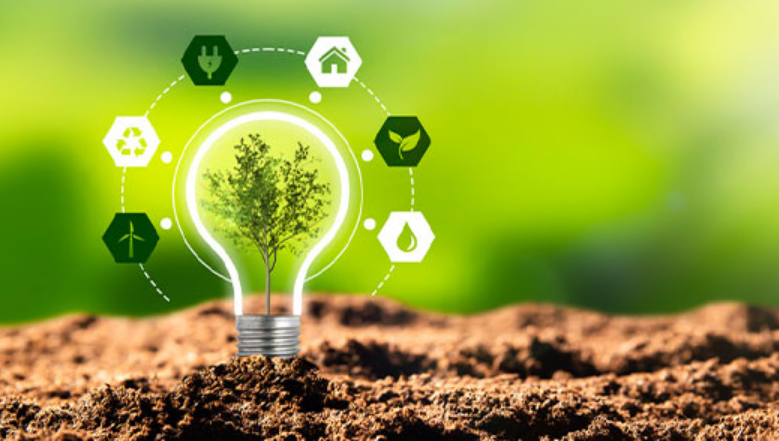
Technology has emerged as a pivotal force in environmental protection, fostering innovative approaches across various sectors. From renewable energy breakthroughs to smart waste management systems, these advancements offer significant potential for sustainability. Moreover, tools for monitoring biodiversity enhance conservation efforts by providing critical data. As these technologies evolve, they raise important questions about their implementation and impact. What challenges and opportunities lie ahead in the intersection of technology and environmental stewardship?
Renewable Energy Innovations
Recent advancements in renewable energy innovations have sparked significant interest among researchers and policymakers alike.
Solar power technology has evolved, enhancing efficiency and reducing costs, while wind energy systems are becoming more robust and reliable.
These developments not only promise to decrease reliance on fossil fuels but also empower communities to harness natural resources, fostering a sense of freedom and sustainability in energy production.
Smart Waste Management Solutions
Advancements in smart waste management solutions are revolutionizing the way communities handle refuse and recycling.
Smart bins equipped with sensors offer real-time data, enabling efficient collection schedules and reducing overflow.
By leveraging waste analytics, municipalities can analyze waste patterns, optimize routes, and increase recycling rates.
This technology not only enhances operational efficiency but also empowers citizens to engage in more sustainable practices, fostering environmental stewardship.
Sustainable Agriculture Technologies
Innovations in sustainable agriculture technologies are transforming the agricultural landscape, much like smart waste management solutions have altered urban refuse systems.
Vertical farming maximizes space and resource efficiency, while precision irrigation minimizes water waste, ensuring crops receive optimal nourishment.
Together, these technologies empower farmers to produce food sustainably, reduce environmental impact, and contribute to a resilient food system that satisfies the growing global population’s needs.
See also: Technology Behind Modern Applications
Conservation and Biodiversity Monitoring Tools
A diverse array of conservation and biodiversity monitoring tools is essential for the effective management of ecosystems and the protection of endangered species.
Technologies such as wildlife tracking systems and advanced habitat assessment methods enable researchers to collect vital data, analyze species movements, and evaluate ecosystem health.
These innovations empower conservationists to make informed decisions, ultimately fostering a harmonious balance between human activity and nature’s resilience.
Conclusion
In the grand tapestry of environmental protection, technology serves as both a compass and a lantern, guiding humanity toward sustainable practices while illuminating the path ahead. As renewable energy, smart waste management, sustainable agriculture, and biodiversity monitoring intertwine, they create a harmonious ecosystem of innovation. Each technological advancement acts as a thread, weaving together the collective efforts of communities and governments. By embracing these tools, society can nurture the fragile fabric of our planet, fostering a legacy of stewardship for generations to come.