
How Intelligent Technology Learns
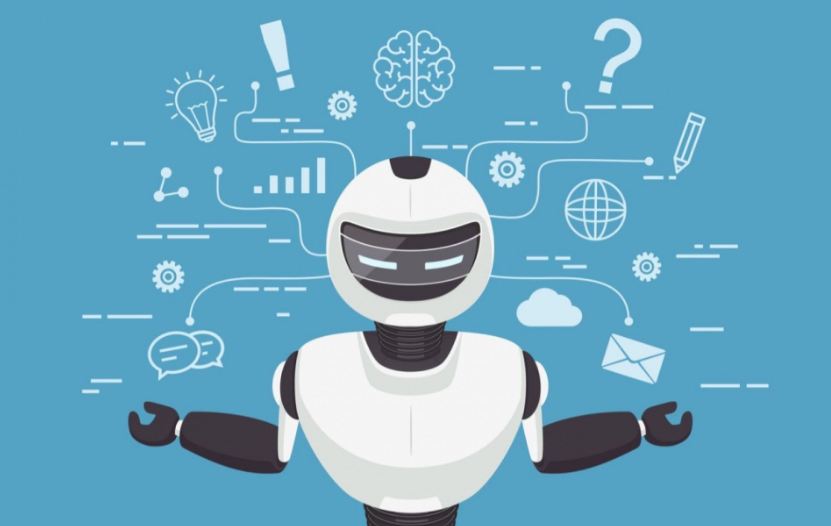
Intelligent technology operates through a sophisticated interplay of supervised and unsupervised learning methodologies. This process involves analyzing both labeled and unlabeled datasets to identify patterns and trends. By leveraging vast data volumes, these systems continuously refine their algorithms based on real-time feedback. Such iterative learning fosters resilience and adaptability. Understanding how these systems evolve reveals crucial insights into their decision-making capabilities and potential applications across diverse fields, prompting further exploration into their transformative impact.
The Foundations of Machine Learning
Machine learning, a pivotal subset of artificial intelligence, operates on the principles of data-driven learning and pattern recognition.
It encompasses two primary methodologies: supervised learning, which employs labeled datasets to train models, and unsupervised learning, which identifies inherent patterns within unlabeled data.
Together, these foundations empower machines to derive insights, adapt autonomously, and ultimately enhance decision-making processes across various domains, promoting a future of unbounded exploration.
See also: How Innovation Thrives in Technology Ecosystems
Types of Learning Algorithms
While exploring the vast landscape of machine learning, it becomes essential to categorize the various types of learning algorithms that drive this technological advancement.
Supervised learning, characterized by its reliance on labeled datasets, enables predictive accuracy through training. Conversely, unsupervised learning uncovers hidden patterns within unlabelled data, fostering discovery and insight.
Together, these methodologies empower intelligent systems to evolve autonomously, enhancing their decision-making capabilities.
Data Processing and Pattern Recognition
Data processing and pattern recognition represent critical components of intelligent technology, enabling systems to derive meaningful insights from vast amounts of information.
Through advanced data analysis techniques, these systems perform feature extraction, identifying key attributes that inform decision-making.
This analytical approach fosters innovation, allowing for the discernment of trends and anomalies, ultimately empowering users with the freedom to navigate complex data landscapes effectively.
Continuous Improvement and Adaptation
Intelligent technology leverages continuous improvement and adaptation to enhance its performance and efficacy over time.
By utilizing feedback loops, these adaptive systems can self-correct and optimize their processes based on real-time data.
This dynamic capability fosters resilience and innovation, allowing technologies to respond to changing environments and user needs efficiently, ultimately promoting a more liberated and responsive technological landscape.
Conclusion
In an era where machines are heralded as the next great thinkers, it is ironically the relentless pursuit of human-like learning that fuels their advancement. These intelligent technologies, tirelessly sifting through data, adapt and evolve beyond mere algorithms, yet remain firmly under human control. As they uncover hidden patterns and insights, one might wonder if we are teaching them or if they are teaching us the true nature of intelligence itself, blurring the lines between creator and creation.