
Fire Risk Assessment: Identifying Hazards Before Disaster Strikes
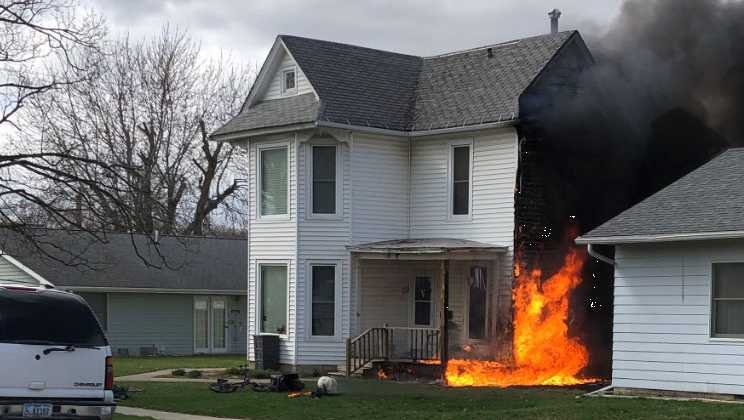
The Importance of Early Hazard Identification
A fire risk assessment is a proactive approach to identifying potential hazards before they turn into catastrophic events. Fires can occur in any building—office, warehouse, retail space, or residential property—and early identification of risks is the key to prevention. Understanding the sources of ignition, flammable materials, and the ways a fire could spread allows businesses to implement preventive measures effectively.
Identifying hazards early also minimizes human error. Many fire incidents result from overlooked risks such as faulty electrical wiring, improperly stored chemicals, or blocked emergency exits. Regular inspections and thorough assessments ensure that these risks are detected and mitigated in time.
Common Fire Hazards in Buildings
Fire hazards vary depending on the type of building. In offices, common risks include overloaded electrical outlets, paper clutter, and heating equipment. Warehouses often contain large quantities of combustible materials, machinery, and forklifts that may increase fire risk. In retail spaces, cooking appliances, electrical displays, and storage areas are typical sources of ignition.
By systematically evaluating these hazards, businesses can prioritize risk reduction strategies. For example, hazardous chemicals should be stored in fireproof cabinets, electrical systems should undergo regular maintenance, and clutter around heat sources should be eliminated.
Assessing Risk to People and Property
Identifying hazards is only the first step. A comprehensive fire risk assessment evaluates how these hazards impact people and property. Employees, customers, and vulnerable individuals, such as the elderly or disabled, must be considered. Businesses should also evaluate structural vulnerabilities, such as poorly ventilated areas or flammable construction materials.
Assessing risk includes planning escape routes, installing alarm systems, and ensuring that fire suppression equipment is accessible. The assessment should also account for emergency scenarios, including worst-case situations where multiple hazards interact.
Implementing Preventive Measures
Once hazards are identified, the next step is mitigation. This may involve installing fire alarms, sprinklers, fire extinguishers, and smoke detectors. Emergency lighting and clear exit signage must be provided. Staff training is critical so everyone knows how to respond during a fire, conduct evacuation drills, and use safety equipment properly.
Preventive measures also include maintaining clear pathways, reducing combustible material storage, and conducting regular inspections to ensure that systems are functional. Proper documentation ensures compliance with fire safety regulations and helps guide future improvements.
See also: Technology Behind Modern Applications
The Benefits of Proactive Hazard Management
Proactively identifying hazards minimizes the likelihood of fire incidents, protects lives, reduces property damage, and ensures business continuity. It also helps businesses comply with legal requirements, enhances staff confidence, and demonstrates due diligence to insurance providers and regulators.
Conclusion
A fire risk assessment focused on hazard identification is the first and most critical step in fire prevention. By proactively identifying and mitigating risks, businesses can protect employees, visitors, and property, avoiding potentially catastrophic disasters. Regular assessments, preventive measures, and continuous monitoring ensure a safer, compliant, and well-prepared environment.