The Data-Driven Future of Fashion: Why Academic Research is the New Runway Powerhouse
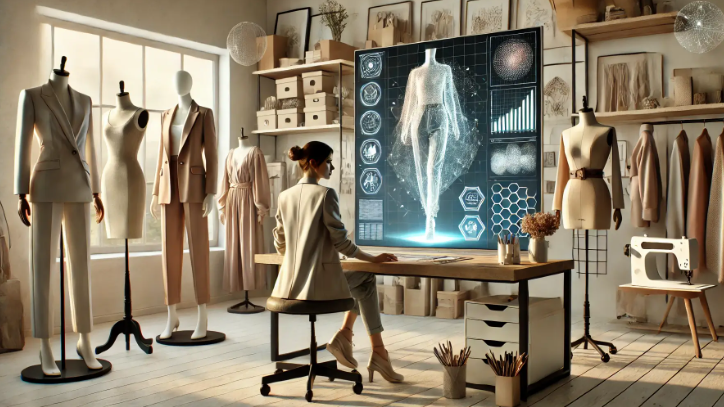
The US fashion industry is no longer just about the “sketch.” In 2026, it is a $370 billion data-driven ecosystem where the most successful brands are those that can predict consumer shifts before they happen. For the thousands of students enrolled in prestigious institutions like FIT (Fashion Institute of Technology) or Parsons, the transition from classroom to corporate office now hinges on one massive document: the dissertation.
Key Takeaways
- The Analytical Shift: 77% of fashion companies now prioritize AI and data analytics in their business plans, shifting the focus of fashion degrees from pure design to market research.
- The Dissertation Hurdle: A high-distinction thesis is often the deciding factor for entry-level roles in luxury brand management and trend forecasting.
- Sustainability Mandates: With US textile waste reaching 82 pounds per person annually, research into “Circular Fashion” is the highest-trending academic niche.
- Strategic Outsourcing: Modern students are increasingly using professional support to manage the data-heavy requirements of their final year.
The Current State of US Fashion Academia (2025-2026)
The academic landscape in the US has become significantly more rigorous. According to recent data, the North American AI-in-fashion market is expected to capture a 32% global share by 2035. This technological surge has forced universities to update their curriculum. A student graduating in 2026 isn’t just expected to know how to drape fabric; they must understand PESTLE analysis, supply chain resilience, and the “Digital Product Passport” (DPP).
The Word Count Reality
In the US, the standard for a Master’s level fashion dissertation has climbed to between 12,000 and 15,000 words. Even at the undergraduate level, an “Honors Thesis” typically requires 8,000 to 10,000 words of original research. For students also maintaining a creative portfolio, this creates a “productivity gap” that can lead to burnout.
Case Study: Leveraging Data for Academic and Career Success
The Subject: Elena R., a Senior Fashion Merchandising student in New York. The Problem: Elena’s final project required a quantitative study on “The Impact of Augmented Reality (AR) on Reducing Return Rates in US E-commerce.” While her insights were brilliant, she struggled with the statistical software (SPSS) and the 15,000-word formatting requirements. The Intervention: Elena sought expert dissertation help to structure her data analysis and ensure her bibliography met strict APA 7th Edition standards. The Result: * Grade: She received a “High Distinction” (A+).
- Career Outcome: During an interview with a major athletic-wear brand, she presented her dissertation as a “white paper.” The brand, currently struggling with a 27% return rate, hired her as a Junior Trend Analyst specifically because of her data-backed research.
Top Research Trends for 2026
If you are looking to secure a job at a top-tier brand like Nike, LVMH, or Ralph Lauren, your research must be “future-proof.” Here are the most valuable fashion dissertation topics currently being scouted by industry recruiters:
- The “Little Treat” Culture: A study on how Gen Z uses small luxury accessories to cope with economic volatility.
- Nearshoring vs. Offshoring: Analyzing why 17% of US brands are moving production closer to home to avoid rising international tariffs.
- The Rise of Agentic AI: How autonomous AI assistants are projected to handle 30% of fashion price comparisons by 2027.
- Bio-Textile Ethics: The commercial viability of lab-grown leather in the US luxury market.
See also: How Innovation Thrives in Technology Ecosystems
The “Why” Behind Professional Assistance
In the competitive US market, the “all-nighter” is being replaced by “smart resource management.” Academic support services are no longer just for struggling students; they are used by high-achievers to polish their work to a professional standard.
- Data Cleaning: Transforming raw survey results into readable charts.
- Literature Reviews: Finding the most recent 2024-2025 journals to ensure the research isn’t outdated.
- Compliance: Ensuring the paper passes the high-sensitivity “AI-detection” and plagiarism filters used by US universities.
FAQs: Navigating Fashion Research
Q: What is the most common reason fashion dissertations fail?
Lack of “Original Data.” Many students rely too much on secondary blogs. To pass with honors, you need primary interviews or survey data from at least 100 US consumers.
Q: How do I balance a design portfolio and a 10,000-word thesis?
Time-blocking is key. Dedicate mornings to creative work and use the evenings for writing. Many top students outsource the “heavy lifting” like formatting and proofreading to save time for their designs.
Q: Is a fashion degree still worth it in the age of AI?
Yes, but only if you master the “Human-AI collaboration.” Brands are looking for designers who can use AI tools to optimize patterns and reduce fabric waste by up to 40%.
Conclusion: From Thesis to Tenure
The journey from a student at FashionLamb to a professional in the US fashion industry is paved with data. By choosing a cutting-edge topic and utilizing the right academic tools, you can transform your dissertation from a stressful requirement into your most powerful career asset.
Author Bio
I am a senior academic consultant and fashion industry analyst with over a decade of experience helping US students bridge the gap between creative vision and technical research. My passion lies in dissecting the business of style through a data-driven lens. I currently collaborate with MyAssignmentHelp to provide students with the strategic tools they need to excel in their final year projects, ensuring their academic work meets the rigorous standards of top-tier fashion and business programs across the United States.