How Machine Learning Improves Technology
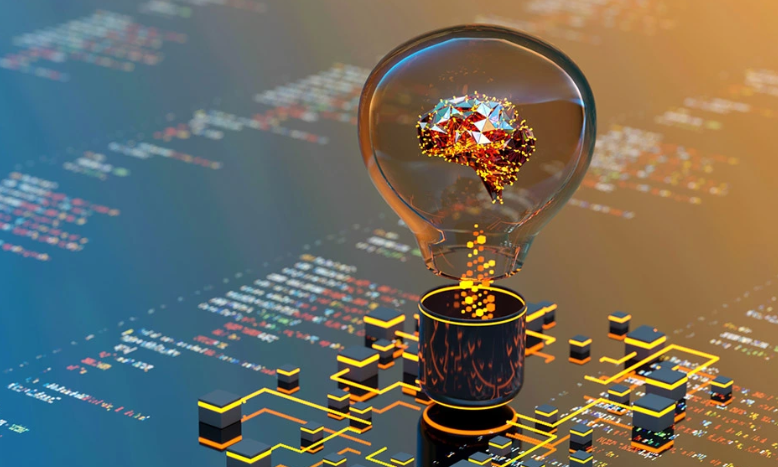
Machine learning enhances technology by introducing sophisticated algorithms that optimize user interactions and streamline processes. It personalizes experiences through tailored recommendations, thereby increasing user satisfaction. Furthermore, it revolutionizes data analysis, enabling organizations to make rapid, informed decisions. The automation of routine tasks reduces human error and reallocates resources effectively. These advancements suggest a profound shift in operational paradigms, raising questions about the future implications for various industries.
Enhancing User Experience Through Personalization
A significant number of digital platforms leverage machine learning algorithms to enhance user experience through personalization.
By utilizing personalized recommendations, these systems analyze user behavior and preferences, delivering tailored content.
Furthermore, adaptive interfaces adjust dynamically, optimizing interaction based on individual needs.
This synergy between personalized recommendations and adaptive interfaces fosters an environment where users experience greater satisfaction, ultimately promoting freedom in navigating digital landscapes.
Revolutionizing Data Analysis and Decision Making
Machine learning algorithms are transforming data analysis and decision-making processes across various industries.
By leveraging predictive analytics, organizations can anticipate trends and outcomes with unprecedented accuracy.
Enhanced data visualization techniques further empower stakeholders to comprehend complex datasets intuitively.
This synergy between machine learning and data representation not only streamlines decision-making but also fosters a culture of informed choices, promoting autonomy and innovation.
See also: How Internet Technology Shapes Digital Culture
Automating Processes for Increased Efficiency
The integration of machine learning into operational workflows is significantly enhancing efficiency through automation.
By leveraging advanced algorithms, organizations achieve process optimization, allowing for seamless task automation across various domains. This not only reduces human error but also reallocates resources toward more strategic initiatives, ultimately fostering an environment that embraces innovation and agility.
Such advancements empower teams to focus on high-impact activities.
Driving Innovations in Robotics and Automation
While advancements in machine learning are reshaping various sectors, their influence on robotics and automation is particularly transformative.
Robotic advancements driven by machine learning facilitate adaptive systems capable of addressing complex automation challenges. These innovations enhance operational efficiency, allowing for real-time decision-making and improved task execution.
Consequently, industries can achieve greater autonomy, ultimately liberating human resources for higher-level strategic endeavors.
Conclusion
In a world where machines learn to cater to every whim and desire, one must ponder whether humanity is evolving or merely becoming an audience to its own technological circus. As algorithms dictate preferences and robots perform menial tasks, the irony lies in our reliance on artificial intelligence for simplicity while complicating the essence of human interaction. Thus, the question remains: in our pursuit of efficiency and innovation, have we traded creativity for convenience, and at what cost?