Termite: Understanding, Prevention, and Effective Control
Termite infestations are a serious concern for homeowners, businesses, and property managers. These tiny insects can cause significant structural damage, often going unnoticed until it’s too late. Understanding termite behavior, prevention strategies, and treatment options is essential to protect your property.
What Are Termites?
Termites are small, social insects that feed on cellulose found in wood, paper, and other plant materials. Often referred to as “silent destroyers,” termites can compromise the structural integrity of buildings, furniture, and other wooden structures. There are several species, each with unique habits and nesting behaviors.
Common Types of Termites
- Subterranean Termites: Live underground and build extensive tunnels to reach food sources.
- Drywood Termites: Infest dry wood, including furniture and structural timbers, without requiring soil contact.
- Dampwood Termites: Prefer moist, decaying wood and are commonly found in humid environments.
Signs of Termite Infestation
Identifying termite activity termite early is crucial for effective control. Common signs include:
- Hollow-sounding wood when tapped.
- Mud tubes along walls or foundations.
- Discarded wings near windows, doors, or other entry points.
- Cracked or blistered paint caused by hidden termite tunnels.
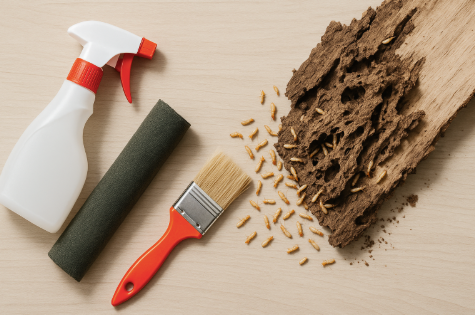
- Presence of termite droppings (frass) resembling small pellets.
How Termites Damage Property
Termites primarily consume wood and cellulose materials, which can weaken structural elements like beams, floors, and furniture. Long-term infestations may lead to:
- Compromised structural integrity of buildings.
- Costly repairs and replacement of damaged wood.
- Reduced property value.
- Safety hazards due to weakened structures.
Prevention and Protection Against Termites
Regular Inspections
Professional inspections help identify early signs of infestation and prevent severe damage.
See also: The Data-Driven Future of Fashion: Why Academic Research is the New Runway Powerhouse
Moisture Control
Since termites thrive in humid conditions, maintaining proper ventilation and fixing leaks can reduce the risk of infestation.
Wood Treatment
Using treated or termite-resistant wood for construction can minimize susceptibility to attacks.
Barriers and Soil Treatments
Physical barriers and chemical soil treatments around foundations can prevent subterranean termites from entering structures.
Landscaping Considerations
Keeping plants and mulch away from building foundations reduces moisture and eliminates pathways for termites.
Effective Termite Control Methods
Chemical Treatments
Liquid termiticides and baiting systems are widely used to eliminate termite colonies. Professional application ensures safety and effectiveness.
Physical Barriers
Steel mesh or sand barriers can prevent termite entry into buildings.
Heat and Cold Treatments
Specialized heat or cold treatments can eradicate termites in localized areas or furniture.
Regular Monitoring
Ongoing monitoring and follow-up inspections are essential to detect reinfestation early.
Choosing a Professional Termite Control Service
When dealing with termites, professional intervention is often necessary. Consider the following:
- Experience and Reputation: Select providers with proven expertise in termite control.
- Treatment Options: Ensure a range of solutions, including eco-friendly treatments.
- Inspection Services: Comprehensive assessments to detect and prevent infestations.
- Follow-Up and Maintenance: Ongoing monitoring and support after treatment.
Why Early Action Is Crucial
Termites can remain hidden for months or even years while causing extensive damage. Early detection and timely intervention save property owners from costly repairs and structural compromises. Preventive measures combined with professional treatments ensure long-term protection against these destructive pests.
Conclusion
Termites are a hidden threat capable of causing severe structural damage if left unchecked. Understanding termite behavior, recognizing early signs, implementing preventive measures, and seeking professional treatment are critical for safeguarding property. Regular inspections, moisture control, treated wood, and effective pest management strategies can protect homes and businesses from termite damage.
By taking proactive steps, property owners can ensure the longevity and safety of their buildings while minimizing financial losses and stress associated with termite infestations.
Frequently Asked Questions
1. How can I tell if my property has termites?
Look for hollow wood, mud tubes, discarded wings, blistered paint, or termite droppings as signs of infestation.
2. Are termite treatments safe for humans and pets?
Professional treatments are designed to be safe when applied correctly. Always follow safety guidelines provided by pest control experts.
3. Can I prevent termites without professional help?
While moisture control, proper wood treatment, and regular inspections help, professional termite control ensures complete protection and effective eradication.