Industrial Impact Gloves: Why Every Heavy-Duty Operation Needs Them
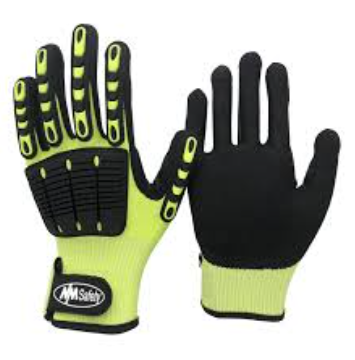
In industrial settings where crushing, pinching, and impact injuries to the hands are everyday risks, industrial impact gloves are not a luxury — they are a fundamental safety requirement. These specialized products are designed to absorb and redirect the kinetic energy of impacts before it can damage the bones, joints, and soft tissues of workers’ hands.
The Scope of Impact Hand Injuries in Industry
Injury Statistics and Costs
Impact injuries to the hands and fingers are among the most costly and debilitating occupational injuries. Fractures, crush injuries, and dislocations cause significant pain, require lengthy rehabilitation, and often result in permanent reduced function. Beyond the human cost, these injuries translate into lost productivity, compensation claims, and increased insurance premiums.
Industries with the highest rates of hand impact injuries include construction, oil and gas, mining, heavy manufacturing, and material handling. In these environments, investing in quality industrial impact gloves is one of the most cost-effective safety interventions available.
Design Features That Matter
Not all impact gloves are created equal. Look for TPR padding systems that provide full dorsal coverage including finger segments, not just the knuckles. Thin-profile TPR compounds that flex naturally reduce the tendency of rigid padding to bunch and restrict movement.
The glove’s fit around the wrist and cuff affects whether it stays in position during work. Gloves that slip on the hand can expose padding-free areas to impacts. Adjustable closures and snug cuff designs help maintain optimal positioning.
Maintenance and Replacement
Industrial impact gloves are durable but not indestructible. The TPR padding can crack after repeated impacts, reducing its energy absorption capability. Coating surfaces wear through with abrasive use, and stitching can loosen in high-stress areas.
Establish a regular inspection routine where supervisors check gloves for these signs of wear at the start of each shift. Replacement criteria should be clearly defined and communicated, so workers know when to request new gloves rather than continuing to use compromised equipment.
Frequently Asked Questions
Q: At what ANSI level should industrial impact gloves be rated?
A: For most heavy industrial applications, ANSI Level 2 is the minimum recommended. High-hazard environments such as pipeline work and underground mining typically specify Level 3.
See also: The Role of Branding in Business Growth
Q: Can industrial impact gloves be used in hot environments?
A: Standard industrial impact gloves are not designed for heat protection. For hot environments, look for gloves that combine impact padding with heat-resistant materials and verify the relevant thermal protection rating.
Q: Are there impact gloves designed for left-handed workers?
A: Most impact gloves are ambidextrous or come in matched left-right pairs. If your workforce has a significant proportion of workers who require specifically fitting options, discuss this with your glove supplier.
Conclusion
Industrial impact gloves represent one of the highest-value investments in heavy-industry hand safety. By selecting properly certified, well-fitted gloves and maintaining a disciplined inspection and replacement program, employers can prevent some of the most severe and costly hand injuries that occur in industrial workplaces.