How a Friction Air Shaft Improves Industrial Roll Handling
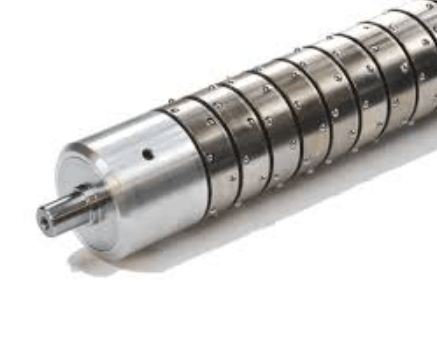
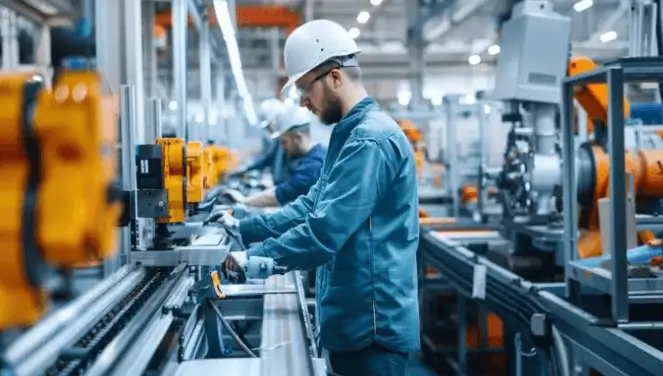
In industries such as printing, packaging, textiles, and laminating, efficient roll handling is critical for productivity and product quality. A friction air shaft is a specialized component designed to grip material rolls securely while enabling quick changeovers and precise tension control. Manufacturers across various sectors increasingly rely on friction air shafts to streamline operations, reduce downtime, and maintain consistent product performance.
Traditional manual or mechanical shaft systems can be slow, labor-intensive, and prone to errors. Friction air shafts use controlled expansion, typically with pneumatic assistance, to create a uniform grip on the roll core. This technology ensures stable rotation, precise tension, and reliable torque transmission, which are essential in high-speed industrial production lines.
Why Friction Air Shafts Are Essential
Industrial processes involving roll-to-roll materials face several challenges:
- Handling rolls of varying sizes and weights efficiently
- Maintaining uniform web tension during operations
- Reducing downtime caused by manual adjustments
- Enhancing safety and ergonomics for operators
- Minimizing material waste due to slippage or misalignment
A friction air shaft addresses these challenges, providing precise control and consistent performance for demanding production environments.
Key Advantages of Friction Air Shafts
Investing in high-quality friction air shafts offers numerous operational benefits:
Faster Roll Changeovers
The expansion mechanism allows operators to mount and remove rolls quickly, reducing machine downtime and improving throughput. Faster changeovers lead to higher productivity and lower labor effort.
Consistent Web Tension
Uniform tension is critical for processes like slitting, laminating, or printing. Friction air shafts provide controlled pressure along the roll core, reducing wrinkles, distortions, and stretching, which enhances product quality and reduces waste.
Improved Safety and Ergonomics
Manual adjustments can increase the risk of operator fatigue or injury. Friction air shafts minimize physical effort, promoting safer and more ergonomic working conditions.
Reliable and Durable Performance
Friction air shafts are engineered for repetitive, high-speed operations. Features typically include:
- High-strength aluminum or steel construction
- Balanced assemblies to reduce vibration
- Durable friction surfaces or sleeves
These features ensure long-lasting performance with minimal maintenance requirements.
Industrial Applications
Friction air shafts are widely used across multiple roll-based industries:
Printing
Provides stable web tension for accurate registration and print quality.
See also: Franchise Hong Kong: Expanding Your Business Opportunities
Packaging and Converting
Supports precise unwinding of films, foils, and laminates, improving throughput and minimizing waste.
Slitting Lines
Ensures accurate tension control for precise cutting, reducing defects and rework.
Textile Manufacturing
Maintains fabric tension during feeding, coating, and finishing processes, preventing stretching or wrinkling.
Features of Modern Friction Air Shafts
Modern friction air shafts include design features that optimize industrial operations:
- Pneumatic expansion or controlled friction for secure roll gripping
- Adjustable pressure for different roll diameters
- High-torque capability for heavy rolls
- Low-maintenance, durable construction
- Integration with automated production systems
These features ensure scalable, efficient, and precise roll handling.
Working With a Professional Manufacturer
Partnering with a trusted friction air shaft manufacturer ensures:
- Customized solutions for different roll sizes and machine types
- Technical support and installation guidance
- Operator training for optimal use
- Consultation on production line layout and workflow optimization
A reliable manufacturer provides equipment that supports long-term operational stability and productivity.
Frequently Asked Questions
1. Which industries commonly use friction air shafts?
Printing, packaging, converting, laminating, and textile industries use friction air shafts for precise roll handling and tension control.
2. How do friction air shafts improve production efficiency?
They provide consistent grip, reduce manual intervention, and maintain uniform tension, improving workflow and product quality.
3. Can friction air shafts be customized?
Yes. Manufacturers can tailor shaft dimensions, friction surfaces, and expansion mechanisms to suit specific production line requirements.
Conclusion
Friction air shafts are essential for modern industrial operations involving roll-to-roll materials. Implementing a friction air shaft enhances roll handling, ensures consistent web tension, reduces downtime, and improves operational efficiency. Partnering with a professional manufacturer guarantees durable, reliable, and scalable solutions for high-performance industrial production.